
The concept of urban living in India has undergone a major transformation in recent years. With rapid urbanization, migration of young professionals to large cities, and the rise of remote and hybrid work cultures, the demand for flexible, community-driven, and hassle-free accommodation options has grown significantly. This has led to the rise of co-living spaces—a trend that is reshaping the rental landscape in metros and Tier-1 cities.
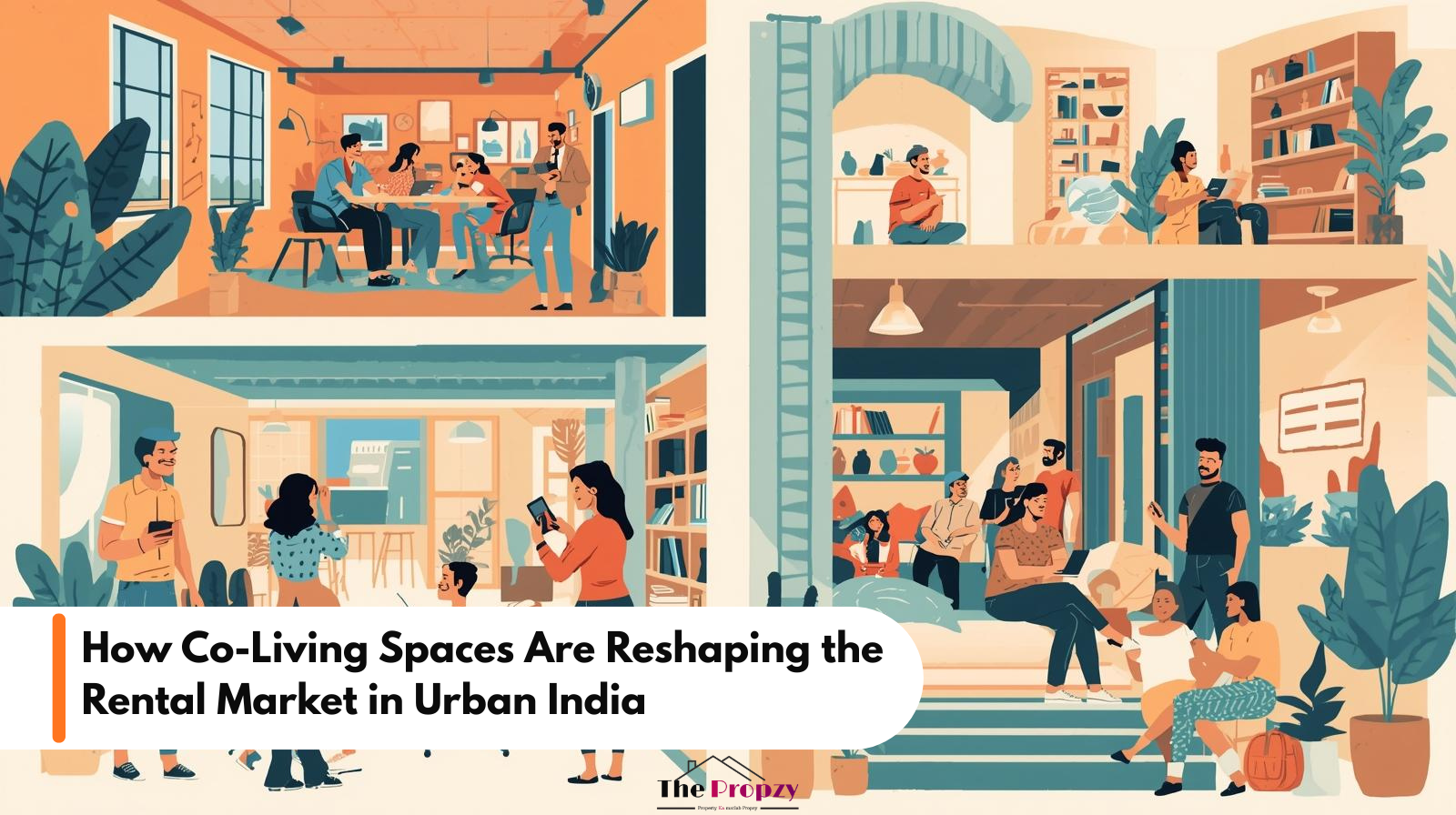
Co-living is more than just renting a room. It is about providing a lifestyle experience that combines private living space with shared amenities, community engagement, and on-demand services that cater to young working professionals, entrepreneurs, freelancers, and students.
What Are Co-Living Spaces?
Co-living spaces are professionally managed shared housing solutions, where residents get:
- Fully furnished rooms
- High-speed Wi-Fi
- Shared kitchens and recreational areas
- Housekeeping and laundry
- Security and maintenance services
- Community events and social engagement
The idea is to create a comfortable, social, and convenient living environment, eliminating the hassles associated with traditional rental housing.
Why Are Co-Living Spaces Gaining Popularity?
1. Rising Migration to Urban Cities
Cities like Bengaluru, Pune, Mumbai, Delhi-NCR, and Hyderabad attract a large influx of professionals and students every year. However, traditional rental housing often struggles to provide:
- Convenience
- Flexibility
- Affordability
Co-living fills this gap effectively.
2. Hassle-Free, Move-In Ready Accommodation
Unlike traditional rentals, co-living spaces offer:
- No heavy security deposits
- No brokerage fees
- No need to buy furniture or appliances
Residents simply move in and start living.
3. Community and Networking Environment
Co-living promotes:
- Shared experiences
- Events & social activities
- Networking and collaborations
For young professionals and entrepreneurs, this community environment is a key attraction.
4. Value for Money
In many metros, co-living provides better amenities at the same or lower cost than renting a flat and managing utilities individually.
For example:
- ₹12,000 in a local PG may offer limited facilities
- The same amount in co-living may include furnished rooms + Wi-Fi + housekeeping + social spaces
The Business & Investment Potential of Co-Living
Co-living is also emerging as a high-yield real estate investment model.
| Factor | Benefit |
|---|---|
| High Rental Yield | 7–11% vs. 2–3% in standard rentals |
| Stable Occupancy | Consistent demand from working professionals & students |
| Scalability | Can be applied across apartments, villas, hostels, and converted buildings |
| Institutional Investment Interest | Growing participation from property developers and real estate funds |
Because of rising demand and recurring income flow, co-living is now seen as a sustainable long-term investment category.
Key Cities Leading the Co-Living Growth
| City | Demand Driver |
|---|---|
| Bengaluru | IT, startups, tech professionals |
| Pune | Education + corporate sector |
| Hyderabad | Technology and research hubs |
| Delhi NCR | Coaching, corporate & student clusters |
| Mumbai | High rental market, flexible housing need |
These cities consistently attract youth-oriented populations, making co-living economically viable.
Challenges in Co-Living Operations
While the co-living model is promising, successful implementation requires:
- Strong operational management
- Community engagement planning
- Maintenance & hygiene standards
- Skilled staff and tech integration
Operators who fail to maintain service quality may lose occupancy quickly.
Future Outlook: Co-Living Is Here to Stay
The co-living segment is projected to expand rapidly due to:
- Increasing remote jobs and hybrid work setups
- Lifestyle choices prioritizing convenience and community
- Rising preference for rental flexibility over long-term leases
- Growth of tech-enabled property management platforms
As urban living continues evolving, co-living is expected to become a mainstream residential housing model, especially for young, mobile, and career-oriented populations.


Join The Discussion