Urban cities are becoming increasingly crowded, fast-paced, and infrastructure-heavy. As more residential and commercial developments rise, open spaces and natural green environments are becoming scarce. This scarcity has led to a significant shift in homebuyer preferences — people now prioritize green surroundings, open landscapes, parks, and nature integration when choosing a home. This is not just...
NOIDA PROPERTY
In real estate, appreciation depends on many factors — location, infrastructure, market demand, and economic cycles. However, one key factor consistently influences long-term property value: the credibility of the developer. Across major cities, properties built by branded or reputed developers have shown higher appreciation, stronger rental demand, and better resale value compared to those built by...
For many years, urban homebuyers in India preferred compact apartments—1BHK and 2BHK units designed for nuclear families, working professionals, or individuals. However, the trend is shifting. The demand for large floor plans is rising again, and joint family living is making a comeback in both metro and emerging cities. This shift is not just emotional—it is influenced by lifestyle changes,...
The rental housing market in India has undergone a significant shift in the last few years. With the rise of digital-first lifestyles, growing professional mobility, and the increasing need for convenience, fully automated managed rental homes have emerged as a modern and efficient solution, especially in metro and Tier-1 cities. These homes are designed to offer comfort, flexibility, transparency, and...
Selecting the right location is one of the most crucial decisions when buying real estate. While property prices, builder reputation, and amenities matter, the long-term value of a property is determined primarily by the location. However, the concept of a "good location" has evolved. Earlier, locations were chosen based on proximity to city centers or major markets. Today, buyers are seeking...
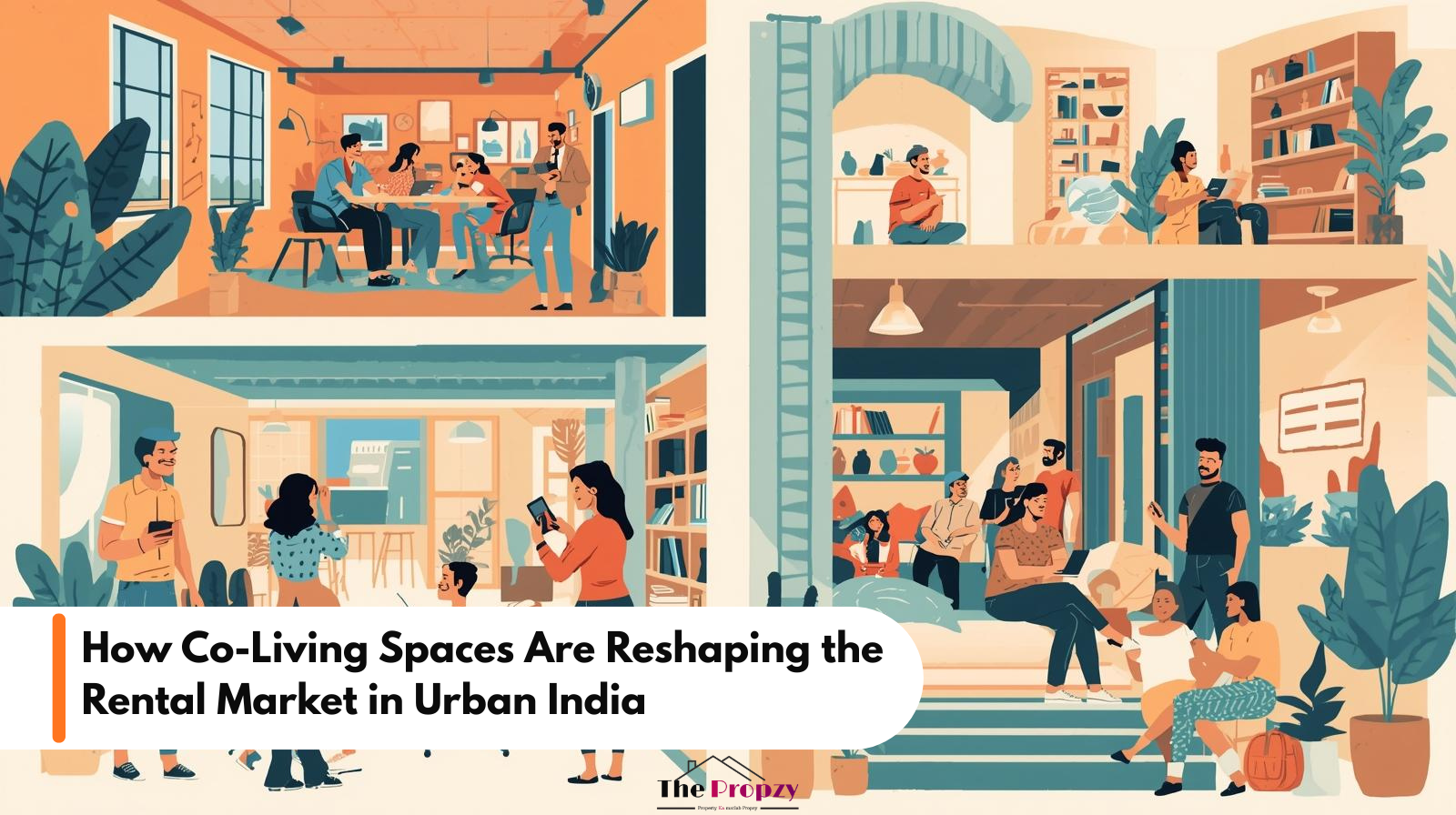
The concept of urban living in India has undergone a major transformation in recent years. With rapid urbanization, migration of young professionals to large cities, and the rise of remote and hybrid work cultures, the demand for flexible, community-driven, and hassle-free accommodation options has grown significantly. This has led to the rise of co-living spaces—a trend that is reshaping the rental...
India’s student population is one of the largest in the world, with millions of students moving every year to education hubs for colleges, professional courses, coaching institutes, and competitive exam preparation. However, the supply of quality student accommodation has not kept pace with this rising demand. This gap has given rise to a booming Student Housing market, which is now being recognized...
The real estate industry, traditionally known for being unstructured and slow to adopt technology, is undergoing a major revolution. This change is being driven largely by PropTech startups — companies that leverage technology to simplify, digitize, and enhance every stage of the property buying and investment process. From virtual property tours to AI-powered price predictions, PropTech innovations...
The Real Estate (Regulation and Development) Act, known as RERA, was introduced in 2016 to bring transparency, accountability, and fairness to the Indian real estate industry. Over the years, RERA has helped homebuyers gain more confidence, while also encouraging developers to adopt ethical business practices. However, as the real estate market continues to evolve, the need for stronger, clearer, and...
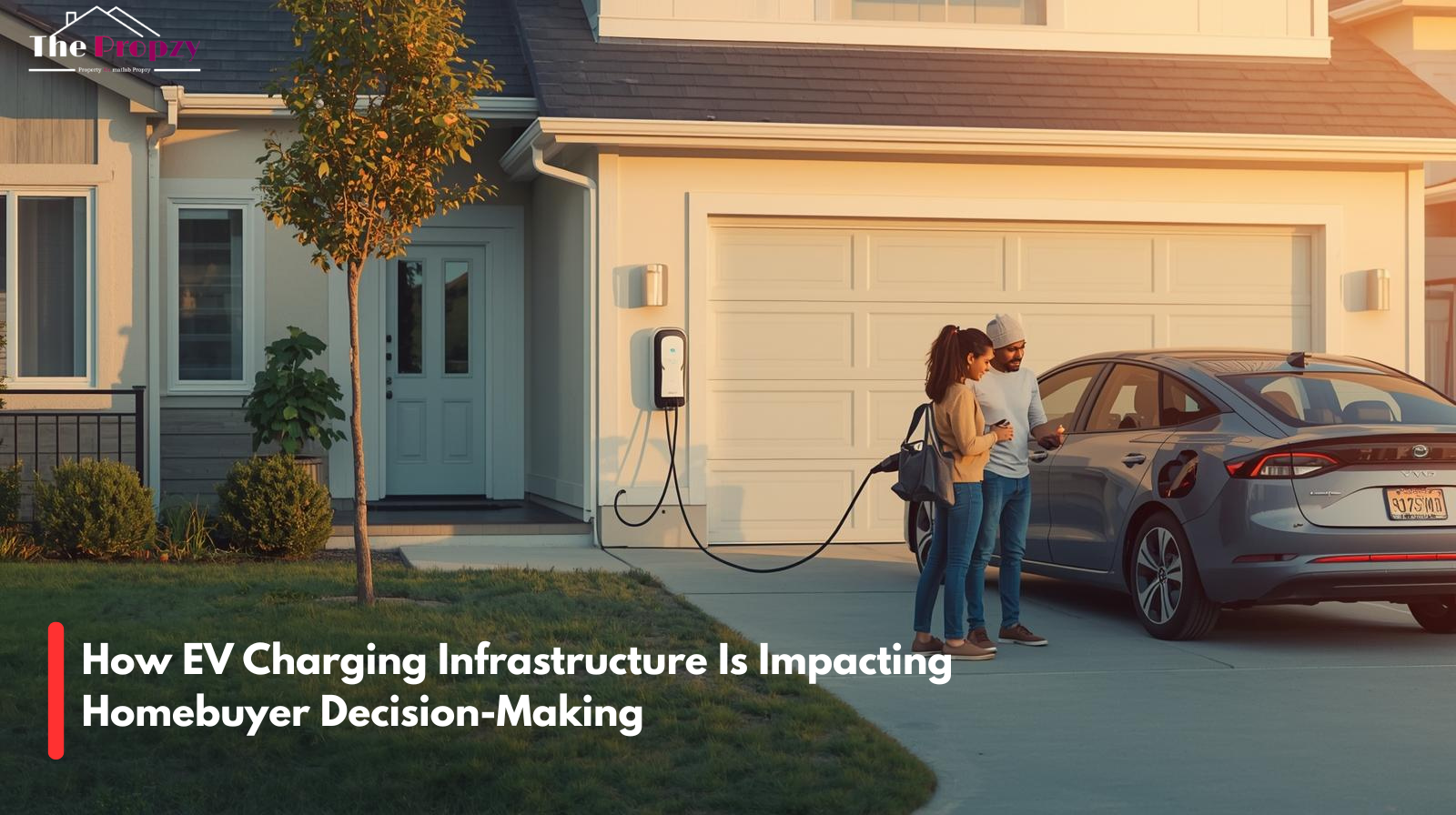
India is witnessing a major shift in transportation trends. With rising fuel prices, growing environmental awareness, and government incentives, the adoption of electric vehicles (EVs) is accelerating. As a result, EV charging infrastructure is becoming a key factor that influences how and where people choose to buy homes. For many modern homebuyers—especially young professionals and...